
Latest GSTN Updates 2026: New e-Way Bill Changes and GST Refund Updates

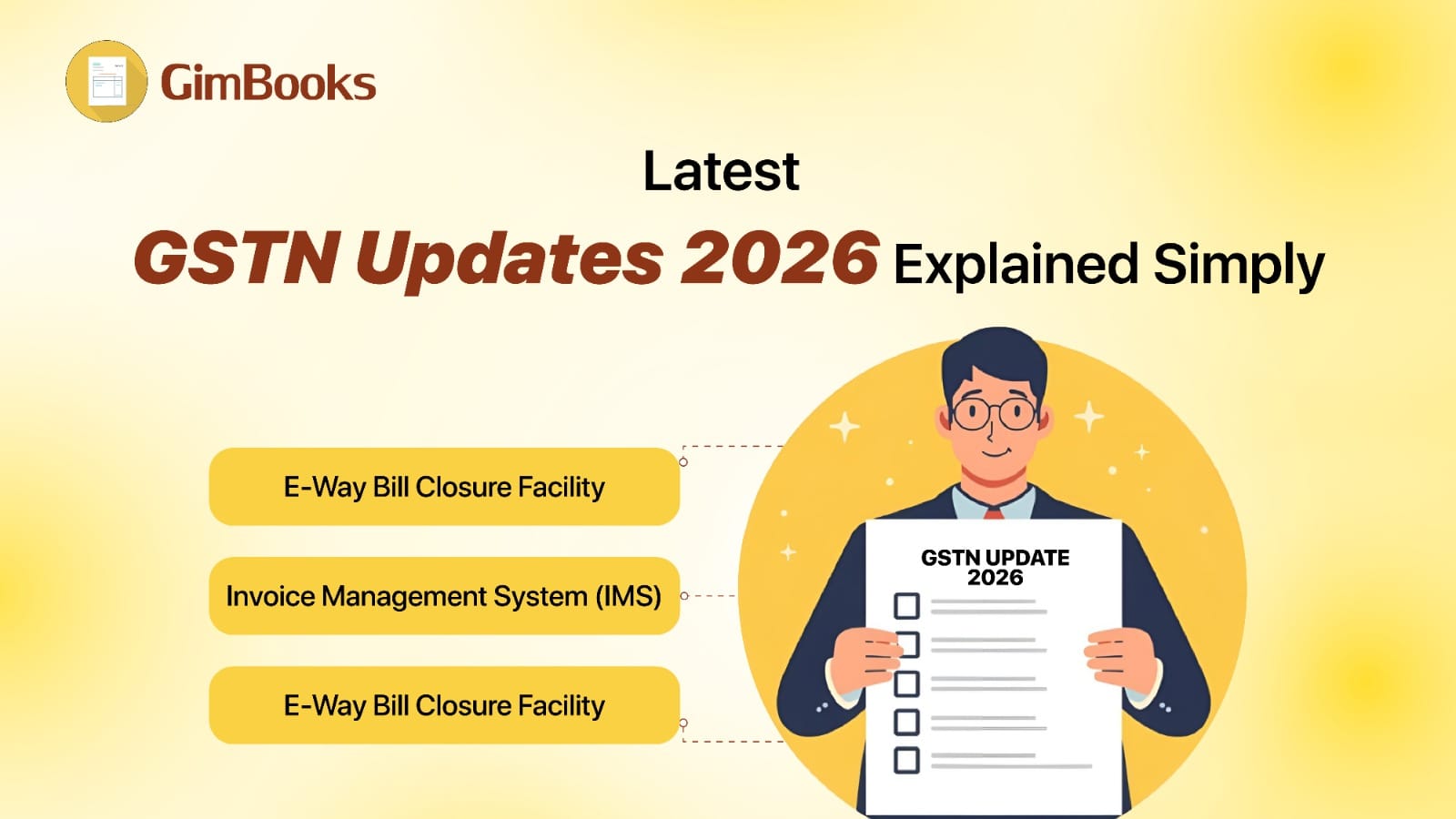
GSTN update 2026 introduces new E-waybill rules, updates, or system changes.
Recently, GSTN announced important updates that every business owner, exporter, accountant, and MSME should know about.
The latest GSTN update in 2026 for MSMEs
List of latest GSTN update 2026 includes:
Update 1: New e-Way Bill Closure Facility
Imagine this.
You received an order from a customer and generated an e-Way Bill.
But later:
- The customer cancelled the order.
- The goods were not sent.
- The transport vehicle never left.
- The shipment got delayed permanently.
Earlier, the e-Way Bill would still remain active in the GST system.
This created confusion because the GST portal showed that goods were supposed to move, but they never did. And to solve this problem, GSTN has introduced a new Voluntary e-Way Bill Closure Facility.
Update 2: Ship-To GSTIN Now Becomes More Important
Let's understand this with a simple example.
Suppose:
Company A buys goods.
Goods are directly delivered to Company B.
This is called a Bill-To Ship-To transaction.
Earlier, many businesses only focused on the billing GST number.
Now GSTN wants businesses to provide the correct Ship-To GSTIN as well. And non-registred businesses need to add URP in GSTIN details.
Why Is GSTN Doing This?
GSTN wants to know exactly where goods are going.
This helps:
- Track goods movement correctly
- Reduce mistakes
- Improve transparency
- Prevent misuse of GST records
If your business works with warehouses, distributors, branches, or third-party delivery locations, this update is important.
Update 3: New Annexure-B Utility for GST Refunds
This update mainly affects exporters and businesses claiming GST refunds.
Earlier, businesses uploaded refund details in different formats.
Some used:
- Excel sheets
- PDF documents
- Manual attachments
Because everyone used different formats, refund processing often took longer.
GSTN has now introduced a standardized Annexure-B Utility.
What Does Bill To Ship To e-Way Bill Update Mean?
Mentioning the Ship To location and URP is mandatory in GSTIN details, authorities may stop or question the movement of goods. This has been done to solve actual goods tracking this problem of unclear waybill detail,
 Noorleen Kaur Bhatia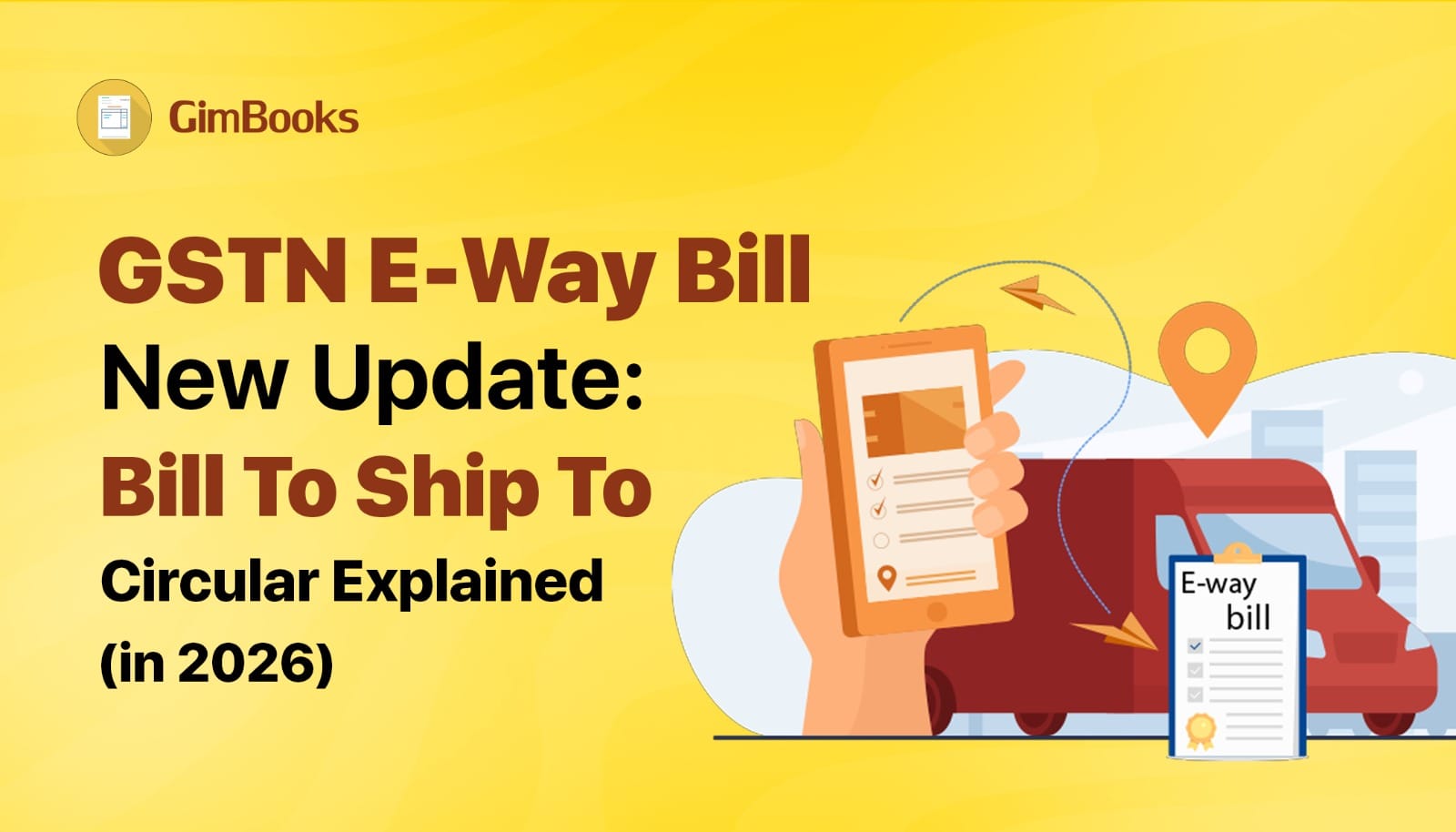
Bill To Ship To Ewaybill update for MSME
What Does Voluntary e-Way Bill Closure Mean?
Businesses can now close e-Way Bills when the movement of goods does not happen.
In simple words:
No goods moved = Close the e-Way Bill.
This keeps GST records clean and accurate.
It helps in maintaining:
accurate business records during GST checks.
Better shipment tracking.
Improved compliance.
Which Businesses Will Be Affected by the GSTN update 2026?
This update mainly affects businesses claiming refunds of accumulated Input Tax Credit (ITC).
These include:
- Exporters
- Businesses exporting goods or services without paying GST under LUT.
- SEZ Suppliers
- Businesses supplying goods or services to Special Economic Zones (SEZs).
- Businesses Under Inverted Duty Structure
- Businesses where GST paid on purchases is higher than GST collected on sales.
- Exporters of Electricity
- Businesses exporting electricity and claiming GST refunds.
What Is the Bigger Message Behind These GSTN Update 2026?
All these GSTN and e-waybill changes point toward one thing:
GST is becoming more automated.
GSTN wants businesses to:
Maintain accurate records
Use digital systems
Report correct information
Reduce manual errors
Businesses that keep proper records with GST invoicing software will find compliance much easier.
 Noorleen Kaur Bhatia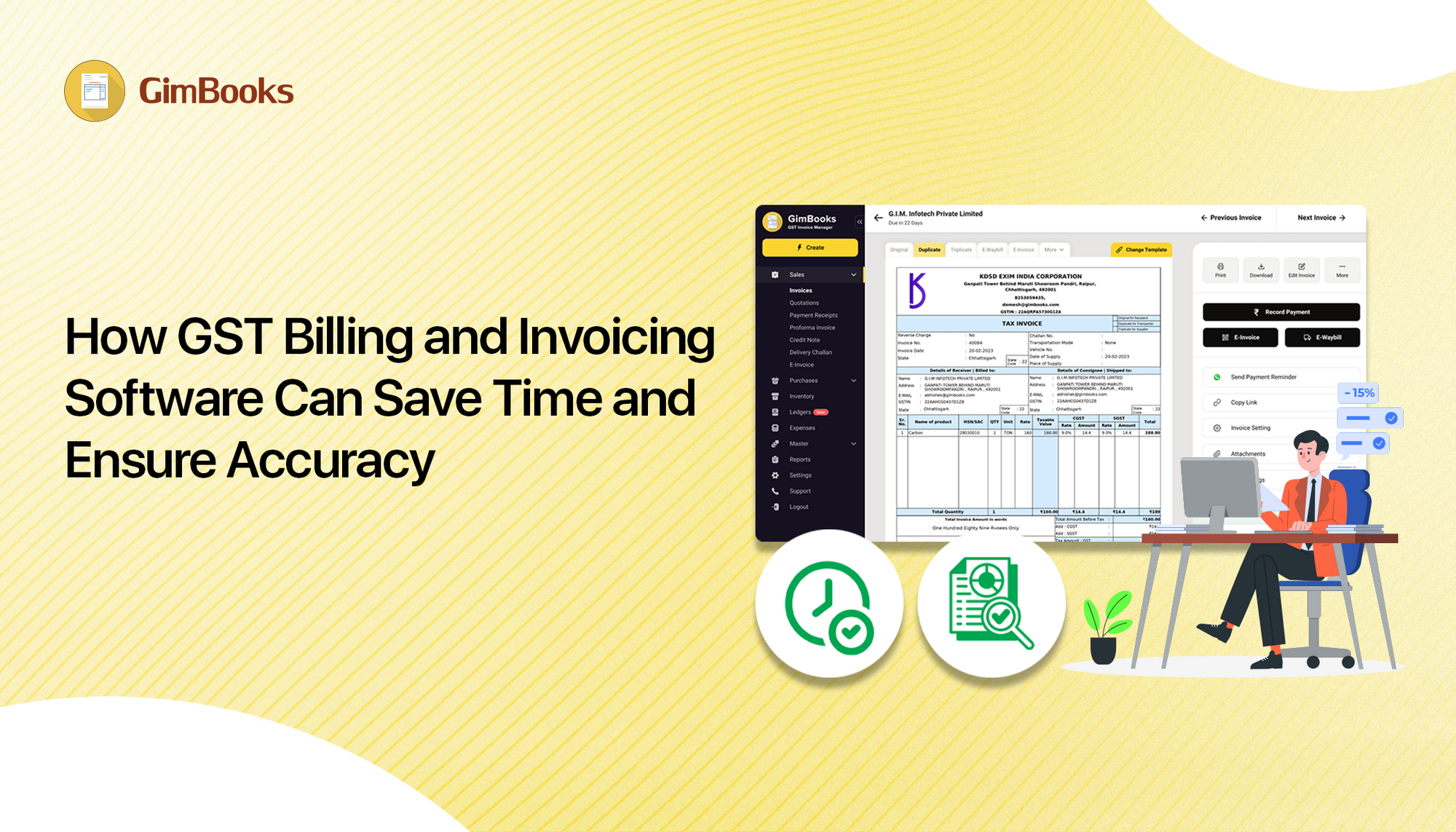
What Should MSMEs Do Now?
If you run a small business, follow these simple steps to adapt to the new GSTN update:
- Check Your e-Way Bill Process
- Make sure your team understands the new closure facility.
- Use updated GST Invoicing Software
- Confirm that your GST software supports the latest GSTN updates.
- Learn the New Refund Process
- If you claim GST refunds, understand how Annexure-B works.
- Maintain Proper Records
- Keep invoices and GST documents organised.
- Train Your Staff
- Ensure your accountant or GST operator knows about the new rules.
Download the GST Updates Tracker for October 2026 to explore the latest GST updates, key compliance changes, implementation timelines, and essential action items for your business.
Conclusion on GSTN Update 2026
The latest GSTN updates may sound technical, but their goal is simple.
GSTN wants business records to be cleaner, more accurate, and easier to verify.
The new e-Way Bill Closure Facility, improved Ship-To GSTIN reporting, and Annexure-B utility are all steps toward a more transparent GST system.
For MSMEs, the best approach is simple:
Stay informed, keep records updated, and use GST-compliant billing software to make compliance easier.
FAQ on GSTN update 2026
Q: What changed in GSTN in 2026?
A: GSTN introduced e-Way Bill Closure, Ship-To GSTIN reporting, and Annexure-B filing.
Q: Can an e-Way Bill be closed now?
A: Yes, eligible e-Way Bills can now be voluntarily closed.
Q: Is Annexure-B mandatory for GST refunds?
A: Yes, for specified refund categories involving accumulated ITC.
Q: Who needs Annexure-B?
A: Exporters, SEZ suppliers, and businesses claiming eligible ITC refunds.
Q: Why is GSTN updating its systems?
A: To improve GST compliance, transparency, and automation.
What are the latest GSTN updates in 2026?
The latest GSTN updates in 2026 include the new e-Way Bill Closure Facility, mandatory reporting of Ship-To GSTIN in applicable transactions, and the Annexure-B Utility for GST refund applications. These updates aim to improve compliance, transparency, and automation in the GST system.
What is the new e-Way Bill Closure Facility?
The new e-Way Bill Closure Facility allows businesses to voluntarily close e-Way Bills when goods are not dispatched or a shipment is cancelled. This helps maintain accurate GST records and prevents unnecessary active e-Way Bills in the system.
Why did GSTN introduce e-Way Bill Closure?
GSTN introduced e-Way Bill Closure to improve record accuracy and reduce compliance issues. Businesses can now close e-Way Bills that are no longer required, helping keep transportation records clean and transparent.
When will the new e-Way Bill changes become effective?
The new e-Way Bill enhancements are scheduled to be implemented from June 15, 2026. Businesses should review their billing and logistics processes to ensure compliance with the updated requirements.
What is Ship-To GSTIN in GST?
Ship-To GSTIN refers to the GST registration number of the actual recipient location where goods are delivered. GSTN now requires businesses to provide this information in applicable Bill-To Ship-To transactions for better traceability.
Why is Ship-To GSTIN important?
Ship-To GSTIN helps GST authorities track the actual movement of goods. It improves transparency, reduces reporting errors, and strengthens compliance monitoring within the GST ecosystem.
What is the Annexure-B Utility?
The Annexure-B Utility is a GSTN-provided offline tool used for preparing refund-related invoice details. Taxpayers must generate and upload a JSON file while filing eligible GST refund applications.
Who must use the Annexure-B Utility?
The Annexure-B Utility must be used by exporters, SEZ suppliers, businesses claiming refunds under the inverted duty structure, and other taxpayers seeking refunds of accumulated Input Tax Credit (ITC).
How does the Annexure-B Utility help taxpayers?
The Annexure-B Utility standardizes refund data submission. It helps GST authorities verify refund claims faster, reduces manual scrutiny, and minimizes errors during refund processing.
Which businesses are affected by the latest GSTN updates?
The latest GSTN updates affect exporters, transporters, SEZ suppliers, manufacturers, traders, MSMEs, and businesses involved in interstate goods movement or GST refund claims.
What should MSMEs do after the latest GSTN updates?
MSMEs should review their e-Way Bill processes, update billing software, maintain accurate invoice records, and understand the new refund filing requirements to stay compliant with GST regulations.
How can businesses prepare for GSTN changes in 2026?
Businesses can prepare by updating GST software, training finance teams, maintaining proper documentation, and regularly monitoring GSTN advisories to avoid compliance issues and filing errors.
Will the latest GSTN updates impact GST refunds?
Yes. GST refunds involving accumulated ITC now require invoice details to be submitted through the Annexure-B Utility. This change aims to improve validation and speed up refund processing.
Are the GSTN updates beneficial for small businesses?
Yes. The latest GSTN updates help small businesses maintain cleaner records, improve compliance, reduce manual work, and support faster processing of GST-related transactions and refunds.
What is the main objective of GSTN updates in 2026?
The main objective of GSTN updates in 2026 is to increase automation, improve data accuracy, strengthen compliance monitoring, and make GST administration more efficient for taxpayers and authorities.