
Top 10 Union Budget Highlights Every Small Business Owner Should Know (Union Budget 2026–27)
Union Budget 2026 highlights for MSMEs. Key budget highlights, GST changes, tax relief, loans, gold & silver duties, and how small business owners can benefit in 2026–27.

The Union Budget 2026–27 quietly shifts how small businesses manage money, taxes, and compliance. Not with flashy promises, but with practical changes that affect daily operations.
If you run a small business or MSME, these are the 10 budget highlights businesses should actually pay attention to and how to act on them without adding complexity to your workload.
Understand the key budget highlights of 2026 early to save money, avoid penalties, and keep cash flow steady with this guide.
Why the 2026 Budget Matters for MSMEs
The Union Budget 2026 specially affects small and medium enterprises (MSMEs); from tax rules to GST, loan access to digital incentives, and staying informed, it is critical.
Why businesses need to pay attention to the latest budget announcements:
- Avoid surprises in tax filings.
- Access new loans and government schemes.
- Make cash flow and compliance decisions confidently.
Tax Relief and Simplified Structures
One of the major budget 2026 highlights is a push for simpler taxation and lower burden on MSMEs.
 Noorleen Kaur Bhatia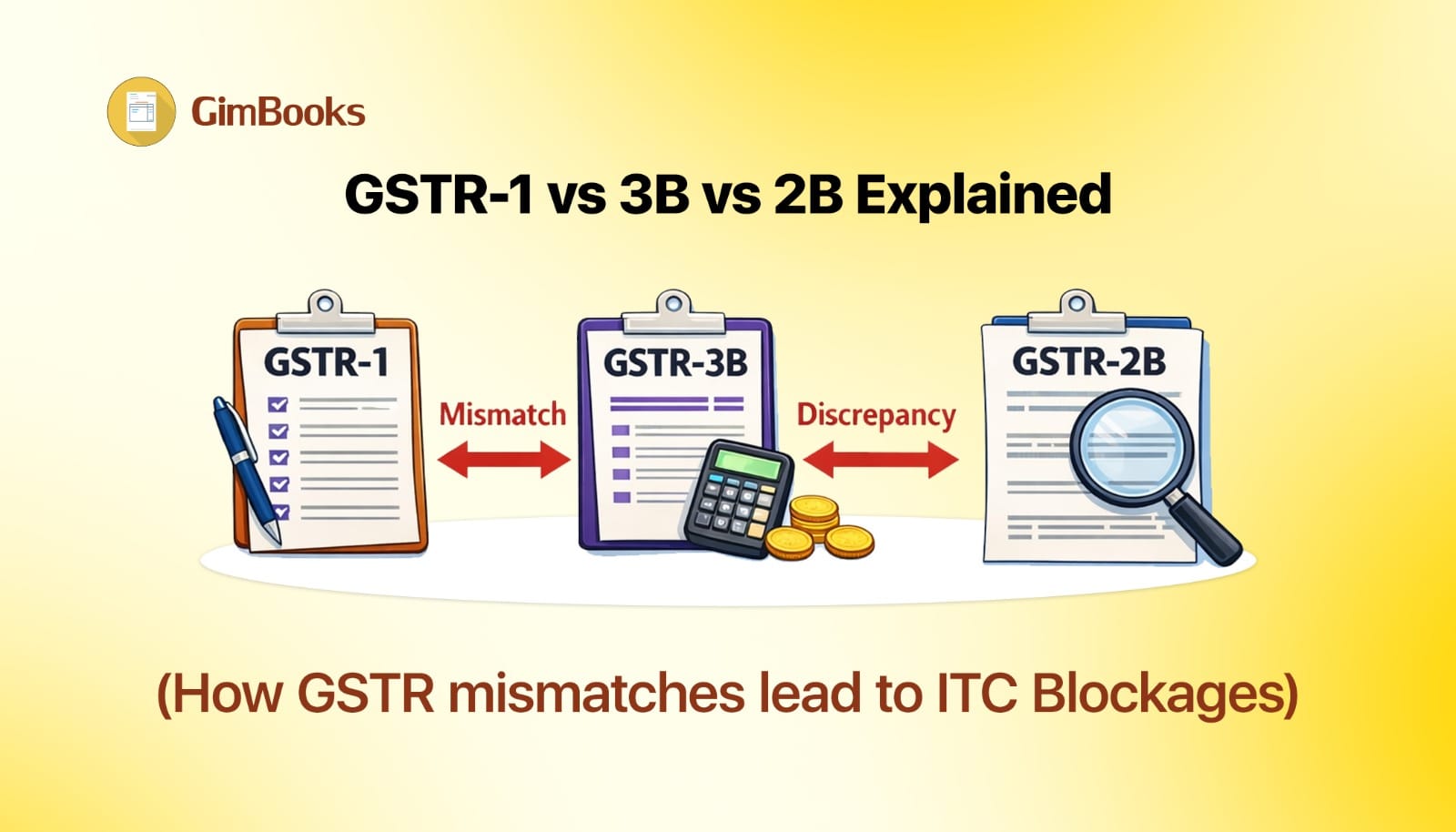
Avoid ITC blockage with budget highlights
GST Compliance Becomes Easier
GST remains one of the biggest compliance challenges for small businesses. The 2026 union budget brings several relief measures, like:
- Higher exemption thresholds.
- Fewer return filings for small taxpayers.
- Penalties will be reduced for minor errors.
- Match invoice automatically to avoid ITC blocks with the help of GST invoice software.
GST Updates Snapshot
Union Budget tip for MSMEs:
Use simple online GST software to keep your GST records clean, as correct invoice matching helps prevent ITC from getting blocked.
Read more: GST compliance checklist for small businesses
Easier Access to Credit
Budget 2026 makes it easier for MSMEs to have access to cash flow or credit in the following ways-
- Expanded Credit Guarantee Fund for Micro and Small Enterprises.
- Offers collateral-free loans for both new and existing MSMEs.
- Faster loan approvals through banks and fintech tie-ups.
Union budget 2026 impact on business-
Even businesses without property or large assets can now access loans to expand operations or manage working capital.
Explore: Government supporting small business credit scheme.
Interest Subsidies for Priority Sectors
Budget 2026 continues interest subsidy schemes for manufacturing, exports, and other priority sectors.
Why this matters:
Lower interest means smaller EMIs and better cash flow. With clean records, borrowing becomes easier and more useful for your business.
Export Incentives Strengthened in Budget 2026
The government continues to focus on export-oriented MSMEs.
Budget 2026 highlights include:
- Duty drawback enhancements.
- Faster export processing.
- Logistics and market access support.
Advice: Keep all invoices and GST records accurate. Digital accounting can save time and prevent delays in claiming export incentives.
Support for Women-Led and Rural MSMEs
The government has announced special measures to encourage women entrepreneurs and rural MSMEs:
- Targeted credit lines and easier loan access.
- Skill and business development programs.
- Grants and subsidies for first-time MSME owners.
Practical tip: Traditional businesses can now access financial and advisory support without complex applications.
Push for Digital Accounting and Compliance
One of the quiet but powerful budget 2026 highlights is the push for digital adoption:
- Incentives for invoicing software.
- Rewards for maintaining digital financial records.
- Reduced compliance hassle for businesses using digital systems.
Benefit: Businesses with organized digital books can quickly take advantage of tax reliefs, loans, and GST simplifications.
Hiring and HR Simplification for MSMEs
As MSMEs grow, managing staff becomes important. The 2026 budget offers:
- Simplified HR compliance.
- Skill training subsidies.
- Easy adoption of payroll systems.
Impact: Small business owners can hire and manage staff without worrying about complex statutory requirements.
Gold & Silver Duties and Luxury Items
The gold and silver update in the union budget affects small jewelers and traders in precious metals in the following ways:
- Customs duty adjustments.
- Revise purchase entries.
- Ensure GST is calculated on the new landed cost.
- Match purchase invoices with GSTR-2B.
- Avoid ITC mismatch due to base value calculation error.
Many MSMEs lose ITC simply because old pricing is used after budget changes.
GST Credit Note & ITC Reminder After 2026 Budget Announcement
When prices change due to budget updates, business owners should take the following steps:
- Reverse purchase entries.
- Ensure GST is calculated on the new cost.
- Match your purchase invoices with GSTR-2B.
- Avoid ITC mismatch due to wrong value calculation (base value calculation error).
Many MSMEs lose ITC simply because old pricing is used even after budget changes.
Items Getting Cheaper and Costlier: Detailed Impact for MSMEs
This breakdown helps traders, manufacturers, retailers, and service businesses quickly understand what to stock more, what to price carefully, and where costs change after the 2026 Union Budget.
Items Getting Cheaper in Union Budget 2026–27
Example 1: Calculation of Item That Becomes Cheaper After Budget 2026
Product: Electronic component Before Budget 2026
- Import price: ₹1,00,000
- Customs duty (20%): ₹20,000
- Total landed cost: ₹1,20,000
- GST @18%: ₹21,600
- Final cost: ₹1,41,600
- Customs duty reduced to 10%: ₹10,000
- New landed cost: ₹1,10,000
- GST @18%: ₹19,800
- Final cost: ₹1,29,800
Savings per unit: ₹11,800
What this means: If you don’t revise pricing, you lose margin. If you revise smartly, you gain a pricing advantage.
Items Getting Costlier in Union Budget 2026–27
Item That Becomes Costlier After Budget 2026
Product: Imported machinery Before Budget 2026
- Import price: ₹2,00,000
- Customs duty: Nil (exempt)
- GST @18%: ₹36,000
- Final cost: ₹2,36,000
- Customs duty introduced @10%: ₹20,000
- New landed cost: ₹2,20,000
- GST @18%: ₹39,600
- Final cost: ₹2,59,600
Extra cost: ₹23,600
What this means: If selling price is not updated, profit reduces immediately
What This Means for MSME Owners
If you are a trader:
- Stock up early on cheaper goods.
- Be cautious with luxury and imported equipment.
If you are a manufacturer:
- Benefit from cheaper inputs (electronics, solar, leather).
- Prepare for cost pressure in fertiliser-linked sectors.
If you are a retailer:
- Update pricing based on new landed costs.
- Communicate price changes clearly to customers.
If you are a wholesaler or distributor:
- Keep clean purchase records and GST data.
- Track cost changes invoice-wise to protect margins.
Faster Payments and Better Cash Flow
To resolve the late payment issue for MSMEs, budget 2026 proposed the following points to improve cash flow management for MSMEs:
- A streamlined payment timeline.
- Encouragement for digital invoicing and receipts.
- Reduction in manual follow-ups.
Maintain invoice and receivable records digitally to track payments and improve cash flow reliability.
Summary: Budget 2026 Highlights for MSMEs
How Businesses & MSMEs Can Benefit from 2026 Union Budget
What you should do next as a business owner:
Use digital accounting to keep invoices, GST, and receipts in one place and make compliance easy.
Track loan options. Use government and bank schemes instead of waiting till cash gets tight.
Stay export-ready. Clean records make it easier to claim export benefits. Plan taxes early. Use relaxed presumptive rules and available deductions. Keep HR management simple.
Union Budget 2026 isn’t just a policy with proper organization and planning; you can turn these budget highlights for 2026 in your favor.
Budget 2026 FAQs for Small Business Owners
What are the main budget changes for 2026 for MSMEs?
Budget 2026 focuses on lower tax pressure, easier GST compliance, quick access to collateral-free loans, reduced costs on important raw materials, and more support for digital accounting and exports.
How does Budget 2026 help small business owners?
The 2026 Union Budget helps small businesses by reducing tax burden, easing GST rules, improving loan availability, lowering import costs for essential items, and encouraging faster payments and digital record-keeping.
Which items become cheaper after Budget 2026?
After Budget 2026, items like essential medicines, electronic components, EV batteries, solar equipment, sports goods, and certain manufacturing inputs become cheaper due to customs duty reductions or exemptions.
Which items become costlier after Budget 2026?
Items such as alcohol, tobacco products, fertilizers, luxury watches, imported machinery, cameras, coffee vending machines, and some electronic equipment become costlier due to higher duties or removal of exemptions.
Are there any GST changes in Budget 2026?
Yes. Budget 2026 GST changes include higher exemption thresholds, fewer return filings for small taxpayers, reduced penalties for minor errors, and improved system-based invoice matching to prevent ITC blockage.
Does Budget 2026 reduce GST compliance for MSMEs?
Yes, the 2026 budget reduces GST compliance burden by allowing quarterly filings for eligible businesses, simplifying returns, and lowering penalties for technical mistakes.
Does Budget 2026 affect MSME loans?
Yes, budget 2026 makes MSME loans easier. It supports collateral-free loans under the Credit Guarantee Scheme and helps speed up loan approvals through banks and fintech platforms.
Is there any benefit for women-led and rural MSMEs in budget 2026?
Yes. Budget 2026 introduces targeted credit support, training programs, and easier funding access for women entrepreneurs and rural MSMEs to improve participation and growth.
How does Budget 2026 impact GST input tax credit (ITC)?
With more system-driven reconciliation, businesses must ensure purchase invoices match GSTR-2B. Maintain timely records reduce the risk of ITC blockage after budget 2026.
What should MSMEs do immediately after Budget 2026?
Small business owners should revise prices for costlier and cheaper items, update GST and purchase records, check for loan eligibility, and switch to digital billing and accounting.