
Can Genuine Businesses Be Penalized for Fake Invoices?
Many businesses unknowingly claim Input Tax Credit on fake GST invoices and later face notices, penalties, and ITC reversal. This complete guide explains how fake invoices are treated under GST, what buyers must verify, and how to stay compliant and safe from tax risks.

Complete Guide on GST Fake Invoice Treatment for Buyers Under GST
Fake invoicing has become one of the biggest GST compliance risks in India. Many genuine business owners believe penalties apply only to fraudsters or bogus companies. However, if they unwittingly work with dishonest suppliers, even legitimate companies may be subject to penalties, GST notices, and ITC reversals. Let's understand if genuine businesses can be penalised for fake invoices.
What Does a Fake GST Invoice Mean?
An illegal invoice that is issued without a real supply of goods or services is called a fake invoice. These invoices are frequently used to fraudulently claim or transfer input tax credits (ITCs). This usually happens when:
- A supplier does not exist.
- Goods were never delivered.
- The company is a shell entity created only to issue invoices, and main goal is to reduce GST liability.
Can Genuine Buyers Be Penalised for Fake Invoices?
Yes, genuine businesses can be penalised under GST. The GST law clearly states that buyers must ensure they receive goods or services before claiming ITC. If not, the buyer can be held responsible.
According to GST provisions:
ITC is allowed only when goods or services are actually received. The supplier must pay tax to the government. The invoice must be valid. If these conditions are not met, the buyer’s ITC can be reversed. What this really means is simple. Even if you paid the supplier, you can still lose ITC if the transaction is
fake.
 Noorleen Kaur Bhatia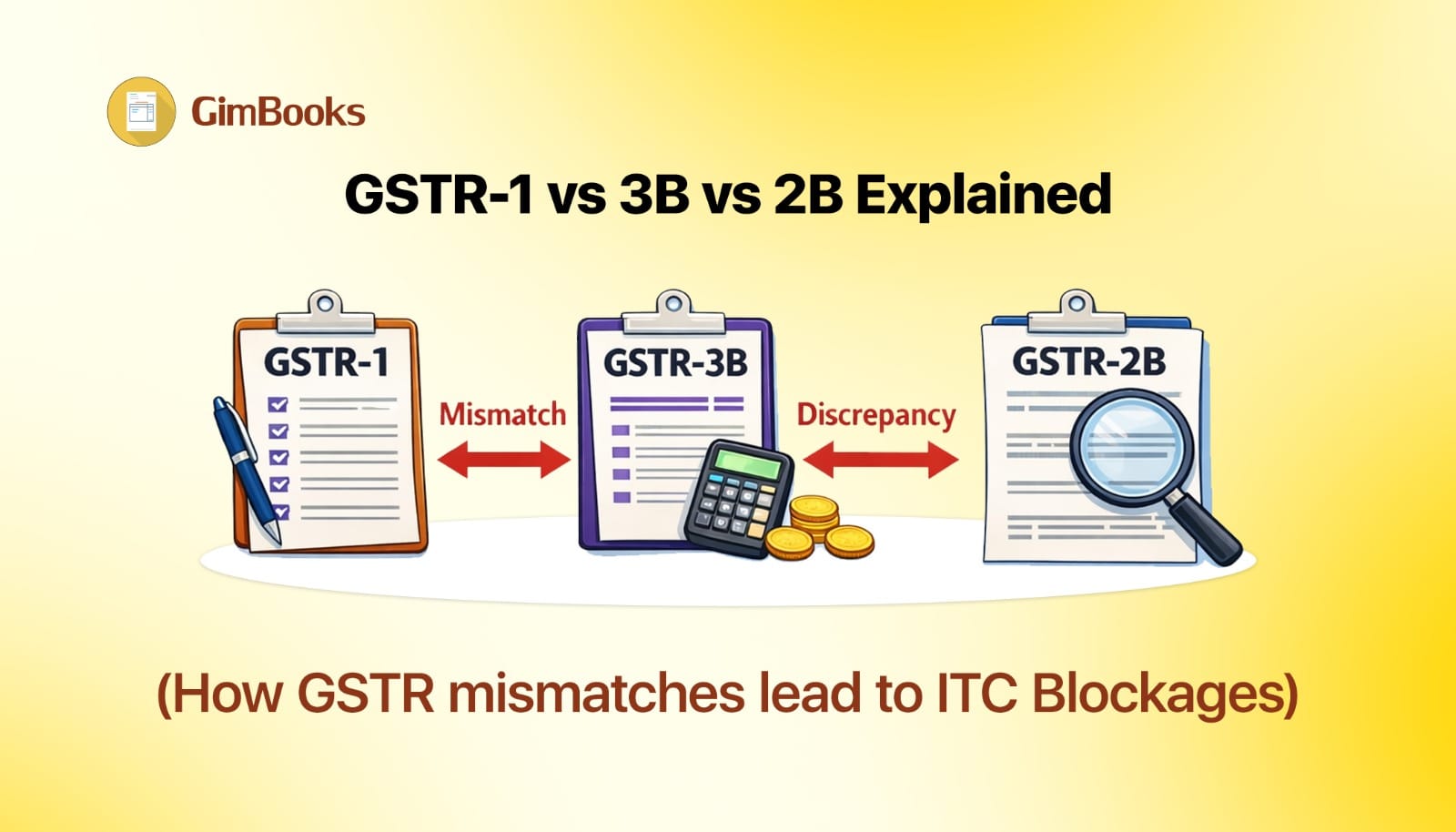
GST Compliance ITC rules for small business
Why Buyers Are at Risk of GST Fraud Today
Buyers are at risk of being being caught by GST authorities for GST fraud because they are using:
- AI-based analytics
- Data matching (GSTR-1 vs GSTR-3B)
- E-way bill tracking
- Banking trail monitoring
This makes it easier to detect fake transactions. Recent crackdowns show that fake ITC networks often involve multiple real businesses. Many buyers get notices years later.
What is GST Penalty for Fake Invoice Can a Buyer Face
Let’s break GST penalty down based on GST provisions and enforcement practice.
| Situation | Impact on Buyer | Financial Risk |
|---|---|---|
| ITC claimed on fake invoice | ITC reversed | Full credit reversed |
| ITC utilised | Interest charged | From date of usage |
| Fraud involvement proven | Equal penalty | 100% of tax amount |
| Large fraud cases | Prosecution possible | Jail + fine |
The severity of buyer's GST liability depends on intent and documentation.
If the department proves knowledge or participation, penalties increase significantly.
GST Liability for Buyers in Fake Invoice Cases
1. ITC Reversal
If ITC is claimed on fake invoices:
The entire credit charge is reversed.
Additional tax liability is created. This happens even if the buyer was unaware. Under GST rules, availing ITC without receiving goods violates compliance conditions.
2. Interest on Wrong ITC
Interest is charged from the date of credit usage.This increases the financial burden significantly.
3. Penalty for Fake Invoice Cases
Penalty depends on the situation:
- Fraud or suppression: penalty equal to tax.
- Non-fraud cases: lower penalty but ITC still reversed.
Fraudulent cases attract stronger penalties under GST.
Can Buyers Go to Jail?
Yes, in serious cases, buyers can go to jail if -
- The buyer knowingly participates in fake invoicing.
- Helps in passing a fake ITC.
- Is part of a fraud network.
Then prosecution can begin.
Punishment depends on the tax amount involved:
- Up to 5 years imprisonment for large fraud.
- Heavy fines.
This is covered under the GST prosecution provisions.
Common Situations Where Buyers Get Notices
Here are real examples on when buyers get notice for GST Frauds:
Scenario 1: Supplier Does Not File GST Returns
You claimed ITC, but the supplier:
Did not file GSTR-1.
Did not pay tax.
Your ITC can be blocked.
Scenario 2: Supplier GST Is Cancelled
If your supplier becomes non-compliant or fake later, the department may investigate your transactions.
 Noorleen Kaur Bhatia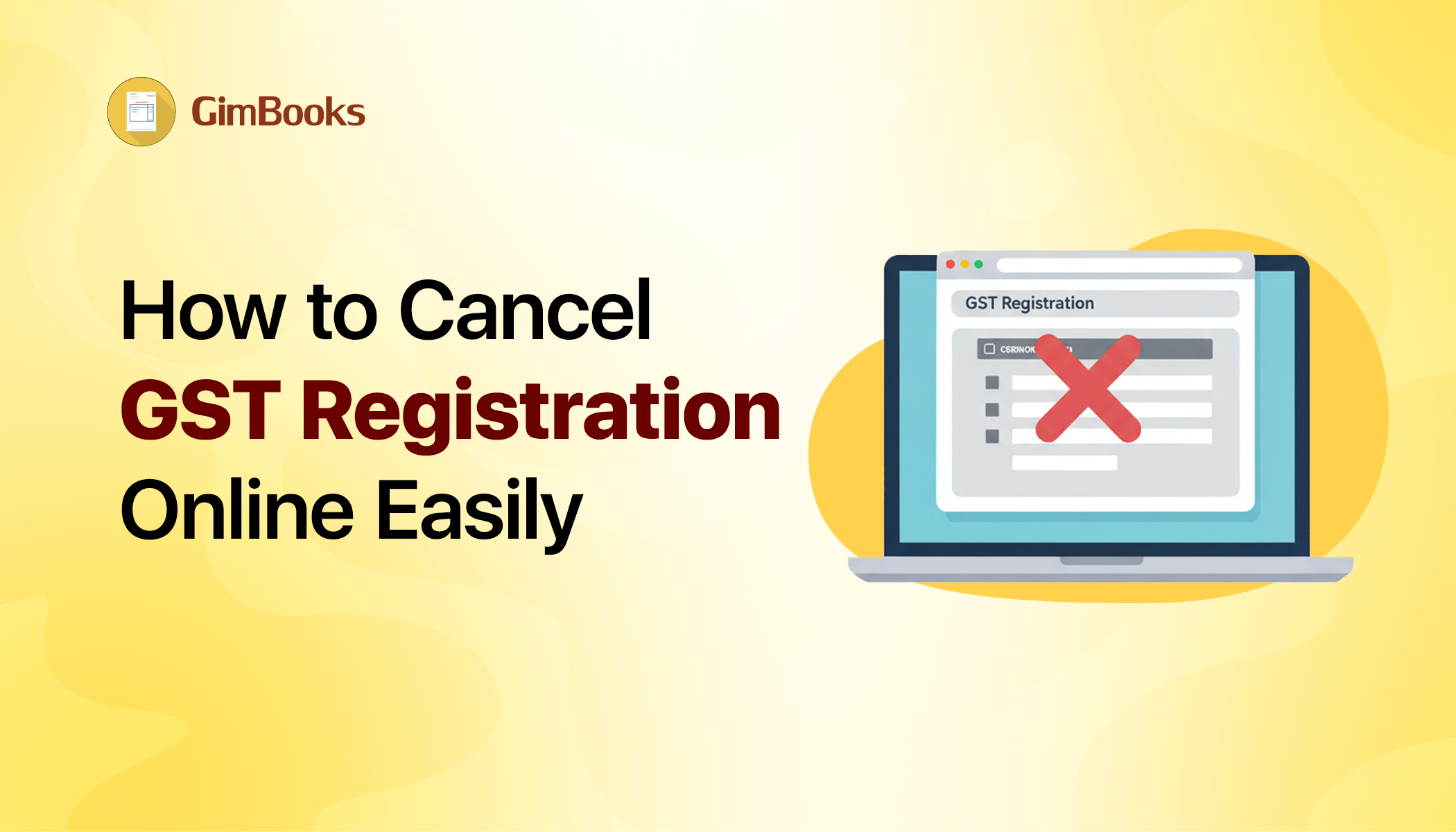
Cancel GST registration
Scenario 3: Goods Not Received
Even if payment is made:
ITC is disallowed without proof of delivery.
Scenario 4: Paper Transactions Only
If goods movement or e-way bills are missing, the department may treat the invoice as fake.
Buyer vs. Fake Supplier: Who Is Responsible?
The GST system works on shared compliance.
The supplier:
- Issues invoice.
- Pays tax.
The buyer:
- Verifies the supplier.
- Confirms delivery.
- Claims ITC responsibly.
If buyers fail to check suppliers, they may be treated as negligent.
 Noorleen Kaur Bhatia
GST Compliance to not Miss in 2026
How GST Authorities Detect Fake Invoice Chains
Modern GST investigations include:
- Data analytics
- Invoice matching
- Bank account verification
- Network mapping of companies.
- Authorities can trace the entire supply chain.
Many fake companies are discovered through these patterns.
Due Diligence Checklist for Buyers
To avoid penalties for fake invoices, businesses must:
1. Verify Supplier GST
Check:
- GST registration.
- Return filing status.
2. Match GSTR-2B:
Ensure invoices reflect in GSTR-2A or 2B.
3. Confirm Goods Delivery
Maintain:
- Delivery challans.
- E-way bills.
- Transport documents.
4. Use Bank Payments Only
Avoid cash transactions.
5. Maintain Business Records
Keep:
- Contracts.
- Emails.
- Purchase orders.
6. Monitor Vendor Compliance
Track:
- Filing frequency.
- Sudden drop in activity.
What Happens If You Receive a GST Notice?
Here’s what you can do when you recieve a GST notice:
Step 1: Do Not Panic
Many notices are automated.
Step 2: Gather Documents
Prepare:
- Invoices.
- Payment proofs.
- Delivery records.
Step 3: Reply Professionally
Explain:
- Due diligence done.
- Your Business intent.
Step 4: Take Expert Help
Consult:
- GST professionals.
- Legal advisors.
- Early response reduces penalties.
The Role of GST Billing Software in Reducing Buyer Risk
Here’s the reality. Most fake invoice exposure happens because:
- Invoices are recorded manually.
- Vendor compliance isn’t monitored.
- ITC claim without proper documents.
- Records are not properly organised.
When you use proper GST billing software for accounting and invoice matching, the chances of mistakes and fraud are reduced.
For example, using a GST accounting platform that:
Tracks supplier GST details.
Maintains invoice audit trails.
Support structured reconciliation.
Maintains purchase records.
When you receive a GST notice, you can quickly find all the required documents.
This is why using GST billing software like GimBooks simplifies invoice management and maintains documents digitally. While software alone cannot prevent supplier fraud, it strengthens documentation, visibility, and internal controls that are critical during GST scrutiny.
What to Do If You Receive a GST Notice for Fake Invoice
- Step 1: Don't panic. A lot of notices are made by the system.
- Step 2: Get the invoice, proof of payment, delivery proof, and other documents.
- Step 3: Look at the history of GSTR-2B reconciliation.
- Step 4: Write a well-organized response with the right paperwork.
- Step 5: If you need help, talk to a GST expert.
Businesses that maintain clean digital purchase records respond faster and more confidently.
Conclusion on Buyer's GST Liability on Fake Invoice
Yes, real businesses can be penalised for fake invoices. The biggest misconception is-
“If I paid the supplier, I am safe.”
Under GST, compliance responsibility is shared. Buyers must exercise due diligence. Failure can result in ITC reversal, interest liability, and monetary penalty. With disciplined vendor checks, regular reconciliation, and organised accounting records, the risk can be significantly reduced. Prevention is far less expensive than litigation.
FAQ for GST Fake Invoice treatment for Buyers Under GST
Yes. Even real businesses can face penalties if they claim ITC on fake or non-genuine invoices. Buyers must ensure goods or services are received, and the supplier pays tax. Otherwise, ITC can be reversed along with interest and penalties.
The penalty depends on the case. In fraud situations, it can be equal to the tax amount involved. Buyers may also need to reverse ITC and pay interest. In serious cases, prosecution may apply.
Yes. If basic checks are not done and the supplier is fake, ITC may be denied. However, the impact can be reduced if the buyer proves delivery and due diligence.
No. ITC is allowed only when the supplier files returns and pays tax. If not, the credit may be blocked or reversed.
Authorities use data analytics, GSTR matching, e-way bill tracking, bank monitoring, and network analysis to identify suspicious billing patterns.
Keep tax invoices, bank payment proof, delivery challans, e-way bills, purchase orders, and transport documents to defend against GST notices.
Gather documents, check reconciliation records, and submit a structured reply. Taking help from a GST professional is recommended.
Verify GSTIN, monitor vendor compliance, reconcile monthly, avoid cash payments, and maintain organised accounting records.
Yes. Past transactions can be reviewed during audits. If fake invoices are found later, ITC reversal with interest may apply.
Cloud GST systems help track vendor activity, maintain records, and monitor invoices in real time. This improves compliance and keeps documents ready during audits.