Fake GST Invoice in India: Meaning, GST Fraud Cases, ITC Fraud & Penalties
This fake GST invoice fraud guide explains fake billing, ITC fraud, penalties, real cases, and simple steps MSMEs can take to stay GST compliant and avoid GST notices with GST billing software.

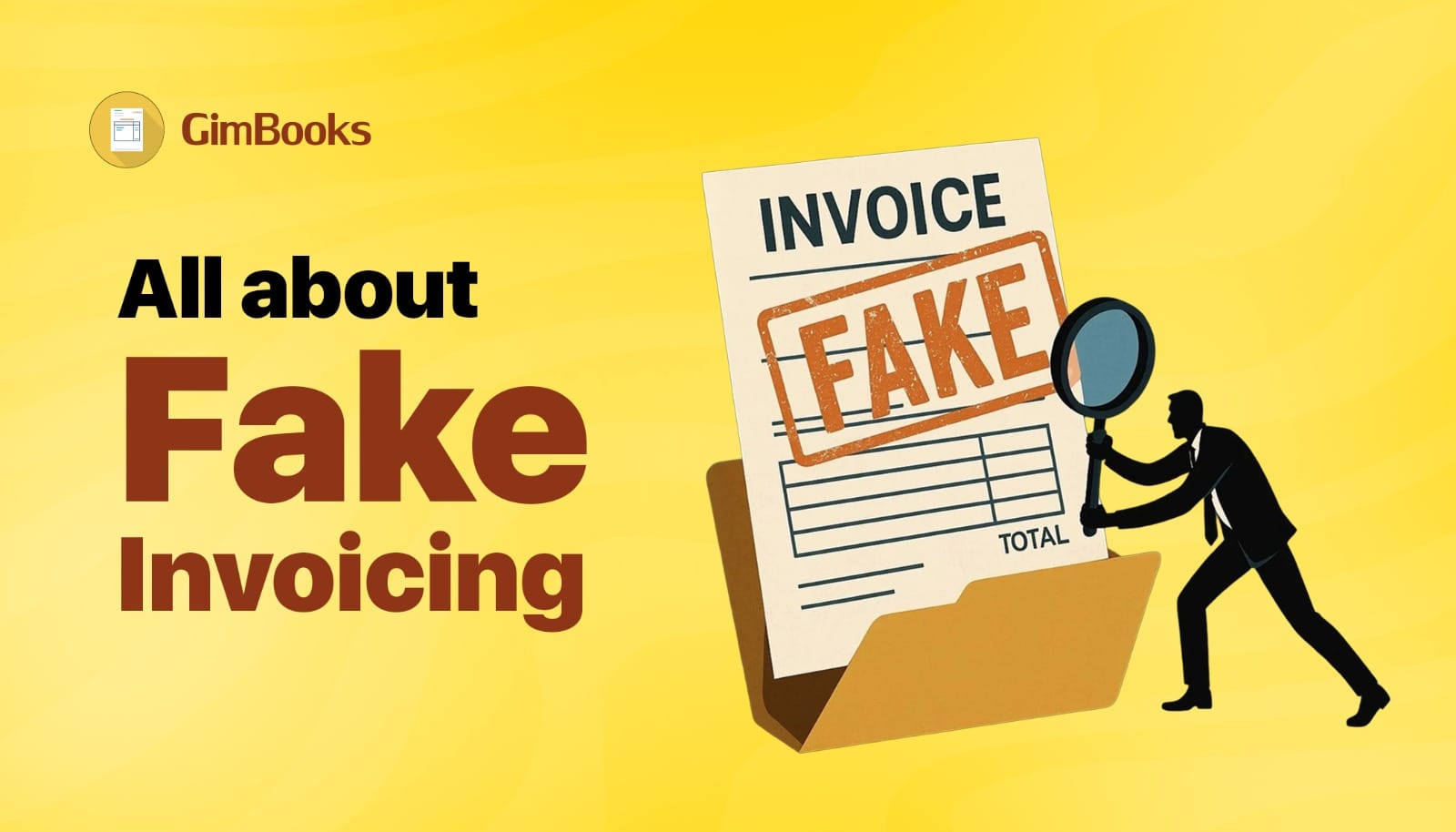
Businesses across India are hearing more news about fake GST invoice India cases. Arrests, raids, and ITC fraud scams are becoming common. Here’s the thing: many small businesses are not involved intentionally. Yet they get trapped in bogus billing or fake invoice networks without even knowing it.
Let’s break this down in a simple, practical way so you know exactly what fake invoicing is, how fraud works, and how you can stay safe.
What is a Fake Invoice Under GST?
A fake GST invoice is a bill created without an actual sale of goods or services. It may also involve incorrect details such as:
- Fake buyer or seller.
- Wrong GSTIN
- Inflated transaction value
- No actual movement of goods
- No service delivered.
In short, fake billing, or bogus billing, is done to claim Input Tax Credit (ITC), evade tax, or rotate money illegally.
Under the GST law, this is treated as serious tax fraud and falls under criminal offenses.
Types of GST Fraud in India
There are several ways fraudsters misuse GST invoices. Let’s look at the most common types of GST Frauds.
ITC Fraud Using Fake Bills
Businesses claim ITC without actual purchases. Fake vendors issue invoices and charge commission.
Circular Trading
In circular trading, goods move only on paper. Multiple firms generate fake invoices to inflate turnover and claim ITC.
Fake Company Creation
Fraudsters create fake companies using false documents and then use them to generate fake bills and move money through multiple businesses.
Inflated Invoices
Real transactions are shown with higher values to claim extra tax credit.
Bill Trading Networks
Groups of businesses exchange fake bills to adjust GST liability.
Latest Fake GST Fraud Cases in India
Across India, GST departments and agencies like the-
Directorate General of GST Intelligence, and
Central Board of Indirect Taxes and Customs
have detected large fake invoice rackets.
Some recent patterns seen in GST fraud cases:
- Fake companies opened with stolen PAN or Aadhaar.
- Fake invoices are exchanged between businesses in different states.
- Companies claim huge input tax credits even though they do not have any real goods or inventory.
- Genuine businesses become part of fraud chains because they deal with non-compliant or fake vendors without knowing it.
- Arrests under GST and PMLA laws.
These investigations show that even genuine small businesses can get trapped if they deal with noncompliant vendors.
ITC Fraud in 2026
What is Input Tax Credit (ITC)?
ITC allows businesses to reduce tax liability by claiming credit for GST paid on purchases. For example:
- You pay GST on raw materials.
- You sell finished goods.
- You claim credit and pay only the balance tax.
How to Identify ITC fraud
- No purchase actually happens.
- Fake bills are generated.
- ITC is claimed to reduce tax.
- This becomes GST fraud and tax evasion.
Penalties for Fake Invoicing in India
Under the Central Goods and Services Tax Act, penalties are strict.
Financial Penalties
- 100% of tax amount
- Interest and heavy fines
- Recovery with attachment of property
Imprisonment
| Fraud Amount | Jail Term |
|---|---|
| Up to ₹2 crore | Up to 1 year |
| ₹2–5 crore | Up to 3 years |
| Above ₹5 crore | Up to 5 years |
Serious cases are non-bailable.
Real-Life Examples of Fake Billing
Example 1: Fake Purchase to Save GST
A trader buys fake invoices worth ₹50 lakh to reduce tax liability. GST authorities detect a mismatch in returns and arrest the business owner.
Example 2: Circular Trading Network
Multiple firms create invoices, but goods never move. Turnover increases, but no real business exists.
Example 3: Commission-Based Bogus Billing
A person offers invoices in exchange for a 2–5% commission.
Income Tax Evasion Through Fake Invoices
Fake invoicing is not only a GST issue. It is also used for:
- Showing higher expenses.
- Reducing profits.
- Avoiding income tax.
- Moving black money.
The Income Tax Department also investigates such cases.
GST Fraud vs Income Tax Evasion
| GST Fraud | Income Tax Evasion |
|---|---|
| Fake invoices to claim ITC | Fake expenses to reduce income |
| Focus on GST liability | Focus on profit and tax |
| Investigated by GST authorities | Investigated by income tax |
| Can lead to arrest | Can lead to prosecution |
Avoid fake invoicing with safe and the best GST billing software for MSMEs.
How to Report Fake Invoicing in India
You can report fake invoicing through:
- GST portal complaint section.
- Email to GST authorities.
- Local tax offices.
- Anonymous whistleblower reporting.
The Goods and Services Tax Network supports reporting of fake billing and fraud.
How Small Businesses are affected by Fake Invoicing
This is the most important part.
Many MSMEs get into trouble because of fake invoicing because:
- They trust unknown vendors.
- They focus only on low prices.
- They do not verify GSTIN.
- They do not reconcile returns.
- They do not use automated systems.
- They outsource compliance blindly.
- This leads to involvement in fraud chains without intention.
Compliance Checklist to Avoid Fake GST Invoices
✔ Verify vendor GSTIN.
✔ Check return filing status.
✔ Match invoices with GSTR-2B.
✔ Maintain stock records.
✔ Avoid commission-based billing.
✔ Keep e-way bills.
✔ Track delivery proof.
✔ Reconcile monthly.
✔ Maintain digital records.
✔ Use GST-compliant billing software.
How GST Billing Software Helps Prevent Fake Billing
A good GST invoicing software for small businesses like GimBooks helps you manage GSTR filing directly from phone:
- Auto-validate GSTIN.
- Track transactions.
- Generate audit trails.
- Match ITC automatically.
- Reduce manual errors.
- Maintain real-time records.
- Detect mismatches.
- Ensure GST compliance.
These features make your business transparent and safe.
Conclusion: Stay Safe from Fake GST Invoice Scams
Fake invoice India cases are increasing. Authorities are using AI, data analytics, and return matching to detect fraud. Even small mistakes can bring notices or penalties.
The smartest step is prevention.
Use GST billing and accounting software for small businesses in India to maintain transparency, verify vendors, and avoid fake invoicing risks. If you run a small business, don’t wait for a notice. Build a strong compliance system today and protect your business from penalties, arrests, and financial loss.
FAQ for Fake Invoicing Under GST
What is a fake invoice?
A fake invoice is a bill issued without an actual supply of goods or services. It is often created to claim wrongful GST input tax credit (ITC) or to inflate expenses.
What is a dummy invoice?
A dummy invoice is a sample or non-commercial invoice created for demonstration or internal purposes. However, if used for financial or GST purposes, it becomes illegal.
What is a ghost invoice?
A ghost invoice is a fake bill or an invoice sent to a company that doesn't exist or for a deal that never happened.
Is fake invoicing illegal in India?
Yes, fake invoicing is illegal in India under the Central Goods and Services Tax Act.
What is the punishment for fake GST invoices?
Penalties for fake GST invoices can include 100% tax amount penalty, interest charges, and prosecution and imprisonment (in serious cases).
What is the penalty for incorrect invoicing under GST?
Under Section 122 of the CGST Act, incorrect invoicing can lead to fines and in severe cases it can lead to the cancellation of GST registration.
Is it illegal to send or edit a fake invoice?
Yes, sending fake invoices is a punishable offense under GST and IPC provisions.
What should you do if you receive a fake invoice?
If you receive a fake invoice, then avoid processing the payment, and verify the GSTIN on the GST portal. After that, inform your accounts team, and report suspicious activity to GST authorities.
How can you verify an invoice?
You can check the invoice by looking up the GSTIN on the official GST website, the IRN and QR code for the e-invoice, and the status of the supplier's registration.
How can you tell if an invoice is fake?
Check a fake invoice by finding an invalid GSTIN, irregular invoice numbers, a missing QR code on e-invoices, or cases where no goods or services were actually delivered.
Can I track invoices?
Yes. GST invoices, especially e-invoices, can be tracked using IRN (Invoice Reference Number) and GST portal validation.