Billing Software with Inventory Management: Why It Matters for Retailers
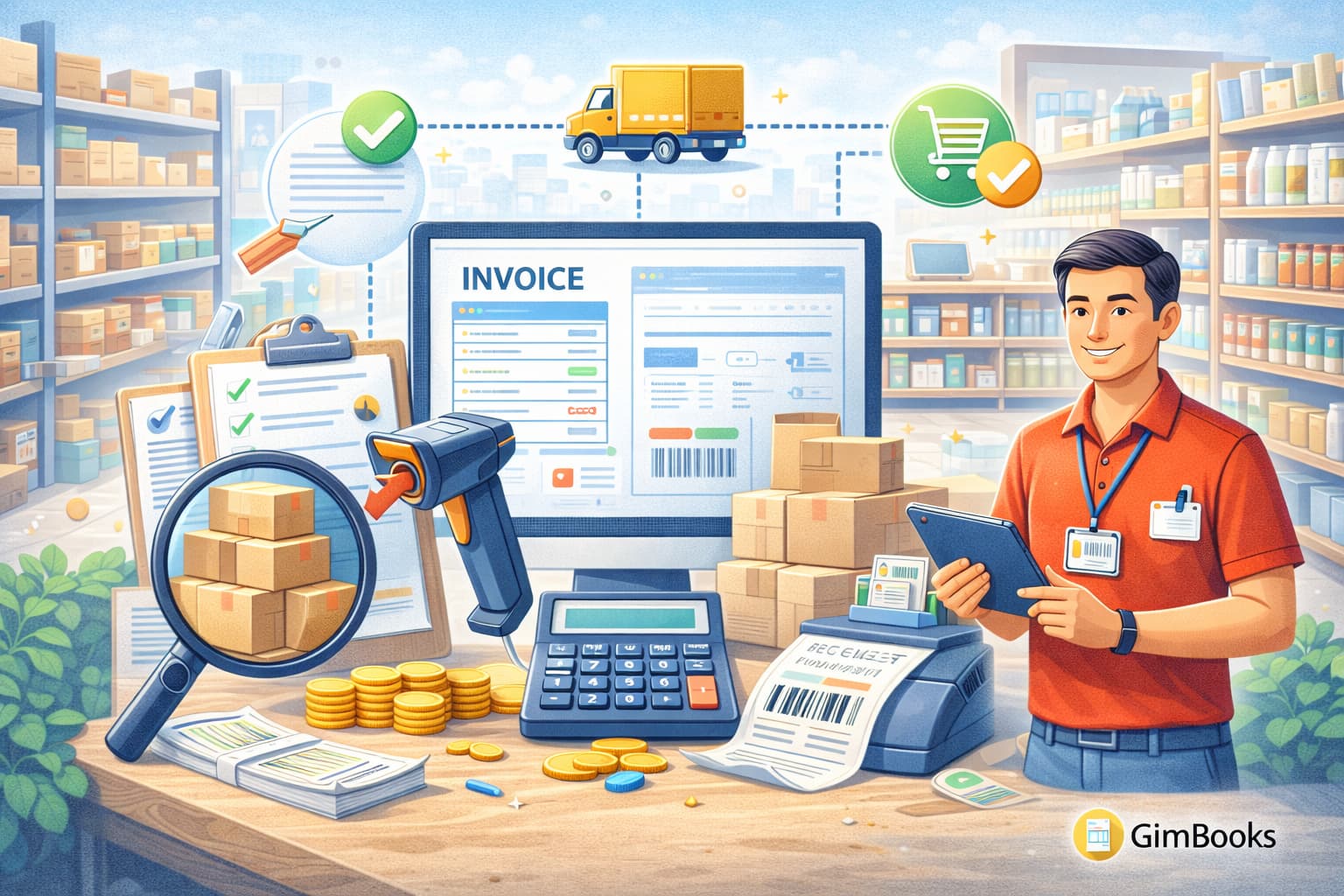
Retail businesses today operate in a highly competitive and fast-moving environment where even minor inefficiencies can directly affect profits. Many retailers still rely on separate systems for billing and inventory—or manage both manually. This often leads to stock mismatches, delayed billing, and poor visibility into overall business performance.
As product catalogs expand and transactions increase, these challenges become more serious. Retailers frequently face situations where items appear “available” in records but are actually out of stock, or excess inventory sits unsold, blocking capital.
This is why adopting billing software with inventory management is essential for modern retailers. It helps unify operations, ensures accurate tracking, and enables better decision-making. More importantly, it allows businesses to move from reactive problem-solving to proactive business management.
What is Billing Software with Inventory Management?
Billing software with inventory management is a system that integrates invoicing and stock tracking into a single platform. Instead of using multiple tools, retailers can manage sales, purchases, and inventory seamlessly.
Core Functionalities Explained
- Invoice Generation: Create GST-compliant invoices instantly with accurate tax calculations
- Real-Time Inventory Tracking: Stock levels update automatically after every sale or purchase
- Product Management: Organize items using SKUs, categories, sizes, or variants
- Purchase Management: Track incoming inventory from suppliers and update stock accordingly
- Reporting: Generate insights on sales, stock movement, and profitability
Why Integration is Critical
When billing and inventory are disconnected:
- Sales may not reflect in stock immediately
- Manual updates create inconsistencies
- Decision-making becomes unreliable
With integration:
- Every transaction updates inventory instantly
- Reports are accurate and real-time
- Business operations become streamlined
This reduces operational complexity and improves overall efficiency.
Why Inventory Management is Critical for Retailers
Inventory is one of the most valuable assets for a retail business. Poor inventory control can directly lead to revenue loss and inefficiencies.
1. Prevent Stockouts
Running out of high-demand products leads to lost sales opportunities and dissatisfied customers. With proper inventory tracking, retailers can restock at the right time and maintain product availability.
2. Avoid Overstocking
Excess inventory increases storage costs and ties up working capital. Retailers may also face losses if products become obsolete or unsellable.
3. Improve Cash Flow
Efficient inventory management ensures that funds are not unnecessarily locked in slow-moving stock. This helps maintain a healthy cash flow for business operations.
4. Enable Data-Driven Decisions
Retailers can analyze:
- Best-selling products
- Seasonal demand patterns
- Slow-moving inventory
This data helps in making smarter purchasing decisions.
5. Reduce Operational Losses
Real-time tracking helps detect discrepancies early, reducing losses due to theft, damage, or mismanagement.
Challenges Retailers Face Without Integrated Software
Retailers using manual systems or separate tools often encounter serious operational challenges.
Lack of Synchronization
Sales and inventory data do not update together, leading to incorrect stock information.
High Error Rates
Manual data entry increases the chances of mistakes, especially when handling large inventories.
Time Inefficiency
Staff spend excessive time updating records, reconciling stock, and managing billing separately.
Limited Visibility
Without consolidated data, business owners cannot track performance or identify growth opportunities.
Difficulty in Scaling
As the business grows, managing multiple stores or product lines becomes increasingly complex.
These issues highlight why billing software for retailers must include inventory management to support business growth.
Key Features to Look for in Billing Software with Inventory
Choosing the right software ensures long-term operational efficiency.
Real-Time Inventory Tracking
Stock should update automatically with every transaction, ensuring accurate data at all times.
GST-Compliant Billing
The system must generate invoices aligned with GST regulations, reducing compliance risks.
Multi-Store Management
Retailers with multiple outlets should be able to track inventory across locations from a single dashboard.
Low Stock Alerts
Automated alerts help prevent stockouts and ensure timely replenishment.
Advanced Product Management
Efficient categorization and tracking of product variants improve inventory control.
Purchase & Supplier Management
Track supplier transactions and manage procurement efficiently.
Detailed Analytics & Reports
Access insights such as:
- Sales performance
- Inventory turnover ratio
- Profit margins
These features enable better planning and decision-making.
Data Snapshot: Impact of Integrated Billing & Inventory
This comparison clearly shows the operational advantages of integration.
How Billing + Inventory Integration Improves Retail Efficiency
Integration creates a seamless workflow that enhances productivity and reduces complexity.
Faster Checkout Process
Retailers can generate invoices instantly, improving customer experience and reducing waiting time.
Accurate Stock Management
Automatic updates ensure that inventory data is always accurate and reliable.
Reduced Manual Effort
Automation eliminates repetitive tasks such as manual stock updates and reconciliation.
Better Business Insights
Retailers gain visibility into:
- Daily sales performance
- Inventory movement
- Profitability trends
Improved Customer Satisfaction
Accurate stock availability and faster service lead to better customer retention.
Why Cloud-Based Billing Software is Ideal for Retailers
Cloud technology has transformed how retailers manage their operations.
Remote Accessibility
Business owners can monitor sales and inventory from anywhere, providing flexibility and control.
Real-Time Data Sync
All updates are reflected instantly across devices and locations.
Data Security
Cloud systems provide secure storage and regular backups, protecting business data.
Easy Scalability
Retailers can expand operations without worrying about software limitations.
Why GimBooks is a Smart Choice for Retailers
Retailers need a reliable and scalable solution to manage billing and inventory efficiently. GimBooks offers a comprehensive platform designed for small and growing businesses.
Key Benefits Explained
Integrated Billing & Inventory
Every invoice automatically updates inventory, eliminating discrepancies.
Real-Time Tracking
Retailers can monitor stock levels, sales, and purchases instantly.
GST Compliance
Generate accurate invoices without worrying about tax calculations.
Multi-Business & Multi-Store Management
Manage multiple stores or businesses from a single interface.
Mobile & Desktop Access
Operate your business anytime, anywhere.
Smart Reports
Gain insights into sales trends, inventory turnover, and profitability.
👉 Explore advanced inventory features:https://www.gimbooks.com/product-inventory
Learn More: Inventory Management for MSMEs
Retailers looking to strengthen their inventory practices can benefit from deeper insights and strategies.
👉 Read this guide:How to Manage Inventory for MSME businesses
This resource covers:
- Practical inventory control techniques
- Common mistakes MSMEs should avoid
- Strategies for improving stock efficiency
Practical Example
A retail store dealing in FMCG products faced frequent stock mismatches and billing delays.
Before Integration
- Inventory updated manually
- Frequent discrepancies in stock
- Slow billing process
After Using Integrated Software
- Automatic inventory updates
- Real-time stock visibility
- Faster billing and improved customer service
This example highlights the real impact of billing software with inventory management.
Conclusion
Retail businesses cannot afford inefficiencies in today’s competitive environment. Managing billing and inventory separately creates unnecessary challenges and increases the risk of errors.
By adopting billing software with inventory management, retailers can:
- Maintain accurate stock levels
- Improve billing efficiency
- Reduce manual errors
- Make informed business decisions
Using modern solutions like GimBooks helps retailers streamline operations and focus on growth.
Automation is not just a convenience—it is becoming a necessity for sustainable retail success.
Frequently Asked Questions (FAQs)
1. What is billing software with inventory management?
Billing software with inventory management is a system that combines invoicing and stock tracking in one platform. It automatically updates inventory levels whenever a sale or purchase is recorded, ensuring accurate stock control and faster billing.
2. Why is inventory management important for retailers?
Inventory management helps retailers maintain optimal stock levels, avoid stockouts or overstocking, improve cash flow, and make better purchasing decisions based on real-time data and sales trends.
3. Can billing software track inventory automatically?
Yes, modern tools like GimBooks automatically update inventory after every transaction. This reduces manual work and minimizes errors in stock tracking.
4. Is billing software with inventory suitable for small businesses?
Yes, it is highly beneficial for small businesses. It simplifies operations, improves accuracy, and helps business owners manage billing, stock, and reports from a single platform without needing multiple tools.
5. How does inventory management improve profitability?
Inventory management improves profitability by reducing wastage, preventing overstocking, ensuring product availability, and helping businesses focus on high-demand products that generate better margins.
6. What features should retailers look for in billing and inventory software?
Retailers should look for features such as:
- Real-time inventory tracking
- GST-compliant billing
- Low stock alerts
- Multi-store management
- Detailed reports and analytics
- Cloud access for remote management
These features help streamline operations and support business growth.